A Practice Routine Children Can Actually Follow
Last updated: 6 Nov 2026
22 Views
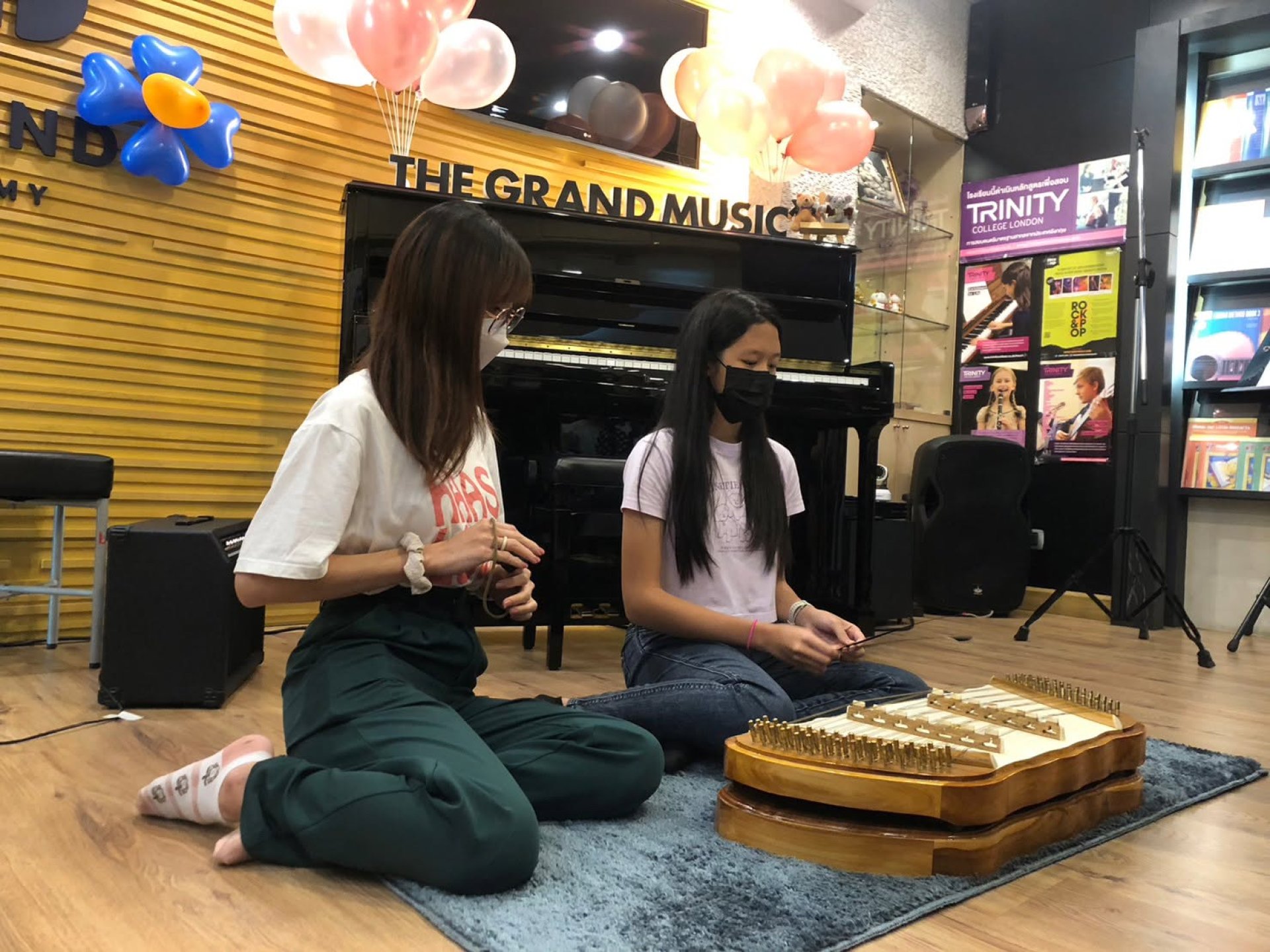
A sustainable routine has a cue, a clear focus and an ending. Warm-up prepares attention and movement; deliberate repetition stabilises a small skill; repertoire reconnects technique to music; reflection tells the learner what to carry forward. The exact duration varies. Five attentive minutes can sometimes create more learning than a longer session filled with distraction and complete-song repetition.
Practice is most useful when the learner knows what to notice and can finish with a small sense of progress. Consistency matters, but the routine must remain realistic for the learner and family.
Choose a consistent cue rather than relying on mood. Begin by observing what happens consistently across several lessons. One moment can be affected by tiredness, novelty or mood; a pattern is more useful than a verdict. Record a small example and share it with the teacher so that the next step can be adjusted with context. Relate the observation to the sound, movement or learning goal in front of the student, so feedback remains relevant rather than personal.
Begin with a short warm-up and one priority from the teacher. This is where an experienced teacher adds value. The same visible difficulty may come from listening, understanding, coordination, memory or an unsuitable level of challenge. A precise observation leads to a smaller and more useful response than simply asking for more effort. A small change that the learner can hear or feel is more persuasive than a long list of corrections.
Break difficult work into a passage small enough to repeat well. Make the idea concrete. Connect it to a phrase, movement, rhythm, sound or routine that the learner can recognise. Specific language such as ‘keep the pulse through these two bars’ is easier to act on than broad language such as ‘concentrate more’. Invite the learner to describe the difference in their own words; naming a change often strengthens attention and memory.
Finish by naming what improved and what to bring back to the lesson. The goal is growing independence. Support can be gradually reduced when the learner can notice the issue, choose a strategy and check the result. If the same problem continues, return it to the teacher rather than increasing pressure at home. When the task is appropriately sized, repetition can stay curious: each attempt answers a question instead of merely adding another count.
Student development is rarely linear. Attention, coordination, understanding, confidence and expression may grow at different rates, and new challenges can temporarily make performance look less secure. Look for patterns across lessons and real evidence of increasing ownership. The most persuasive sign of progress is not perfection; it is a learner who can notice more, make more informed choices and return to the work with purpose.
Choose one observation from this article and discuss it with the learner without turning it into a test. Then bring the same observation to the teacher. A short, shared next goal creates alignment between lesson, home practice and the learner’s own motivation. When the course, level or milestone fits, progress is more likely to feel understandable and worth sustaining
Related Content

Effective practice is closer to focused problem-solving than repeated performance. A learner listens, identifies one gap, chooses a manageable passage, tries a strategy and checks the result
29 Sept 2026
