Piano, Violin, Guitar or Drums: What May Suit Your Child?
Last updated: 6 Nov 2026
21 Views
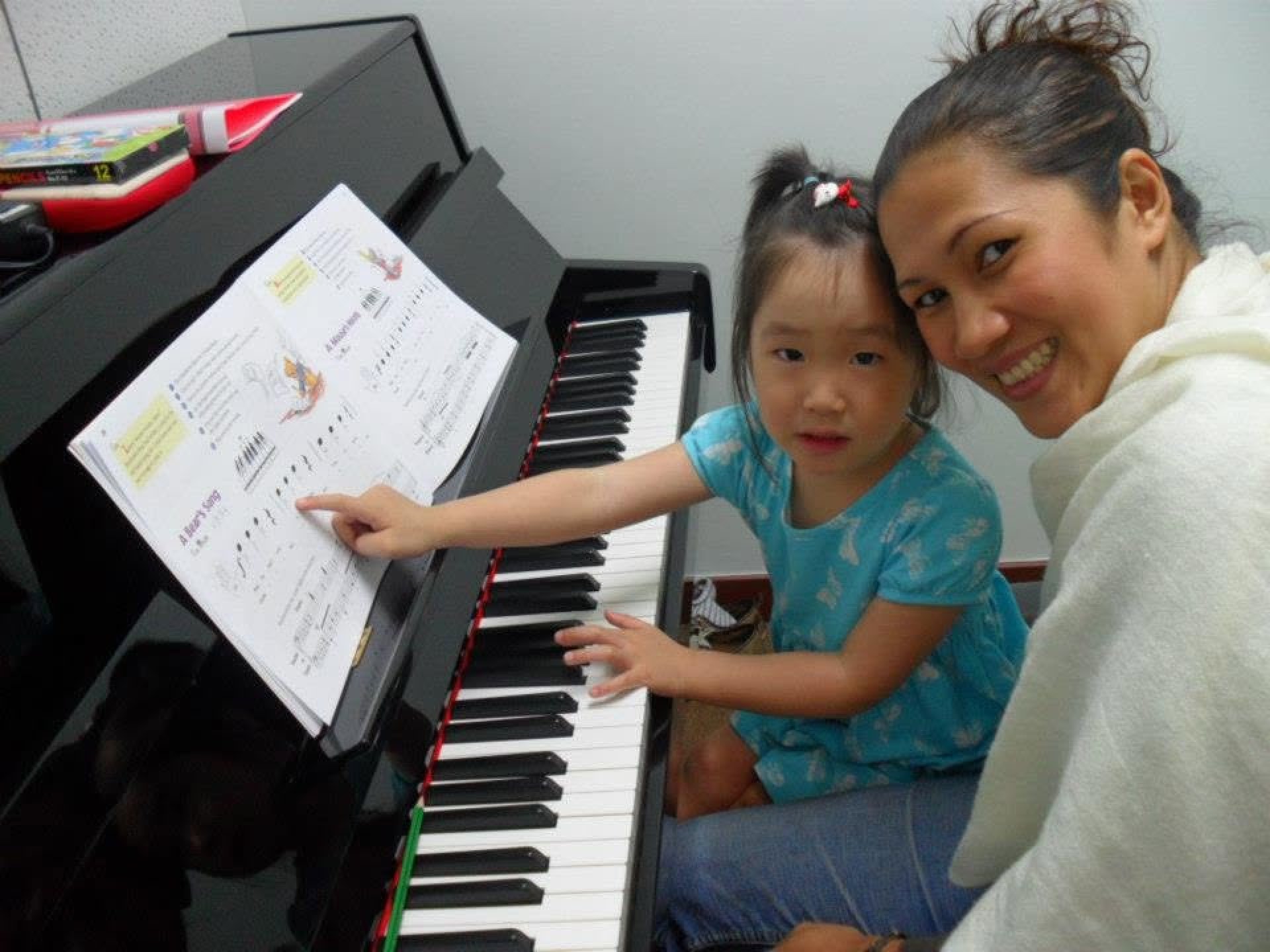
Piano presents pitch spatially and allows harmony to be heard early. Violin develops fine listening because pitch and tone are shaped continuously. Guitar combines chord patterns, melody and direct tactile feedback. Drums place pulse, coordination and timbre at the centre. These are differences in learning experience, not a hierarchy. The best fit is the experience the learner wants to return to.
There is no single best subject for every learner. A thoughtful choice connects the learner’s response with practical realities at home and the kind of experience they want from learning.
Compare how each instrument produces sound and feels physically. Begin by observing what happens consistently across several lessons. One moment can be affected by tiredness, novelty or mood; a pattern is more useful than a verdict. Record a small example and share it with the teacher so that the next step can be adjusted with context. Keep the language calm and specific so that challenge remains part of learning rather than a judgement about ability.
Think about noise, space, instrument care and home-practice access. This is where an experienced teacher adds value. The same visible difficulty may come from listening, understanding, coordination, memory or an unsuitable level of challenge. A precise observation leads to a smaller and more useful response than simply asking for more effort. Relate the observation to the sound, movement or learning goal in front of the student, so feedback remains relevant rather than personal.
Notice whether the learner enjoys melody, rhythm, harmony or physical energy. Make the idea concrete. Connect it to a phrase, movement, rhythm, sound or routine that the learner can recognise. Specific language such as ‘keep the pulse through these two bars’ is easier to act on than broad language such as ‘concentrate more’. A small change that the learner can hear or feel is more persuasive than a long list of corrections.
Use more than one trial if the learner is genuinely undecided. The goal is growing independence. Support can be gradually reduced when the learner can notice the issue, choose a strategy and check the result. If the same problem continues, return it to the teacher rather than increasing pressure at home. Invite the learner to describe the difference in their own words; naming a change often strengthens attention and memory.
Student development is rarely linear. Attention, coordination, understanding, confidence and expression may grow at different rates, and new challenges can temporarily make performance look less secure. Look for patterns across lessons and real evidence of increasing ownership. The most persuasive sign of progress is not perfection; it is a learner who can notice more, make more informed choices and return to the work with purpose.
Choose one observation from this article and discuss it with the learner without turning it into a test. Then bring the same observation to the teacher. A short, shared next goal creates alignment between lesson, home practice and the learner’s own motivation. When the course, level or milestone fits, progress is more likely to feel understandable and worth sustaining
Related Content

Music and dance begin with perception: hearing pitch and pulse, sensing weight and space, and noticing patterns. Technique develops when those perceptions are linked to coordinated action.
29 Sept 2026

A trial lesson is a short observation window, not an audition. The teacher may explore pulse, pitch matching, imitation, coordination, posture, movement vocabulary or the way the learner responds to a new instruction
29 Sept 2026
